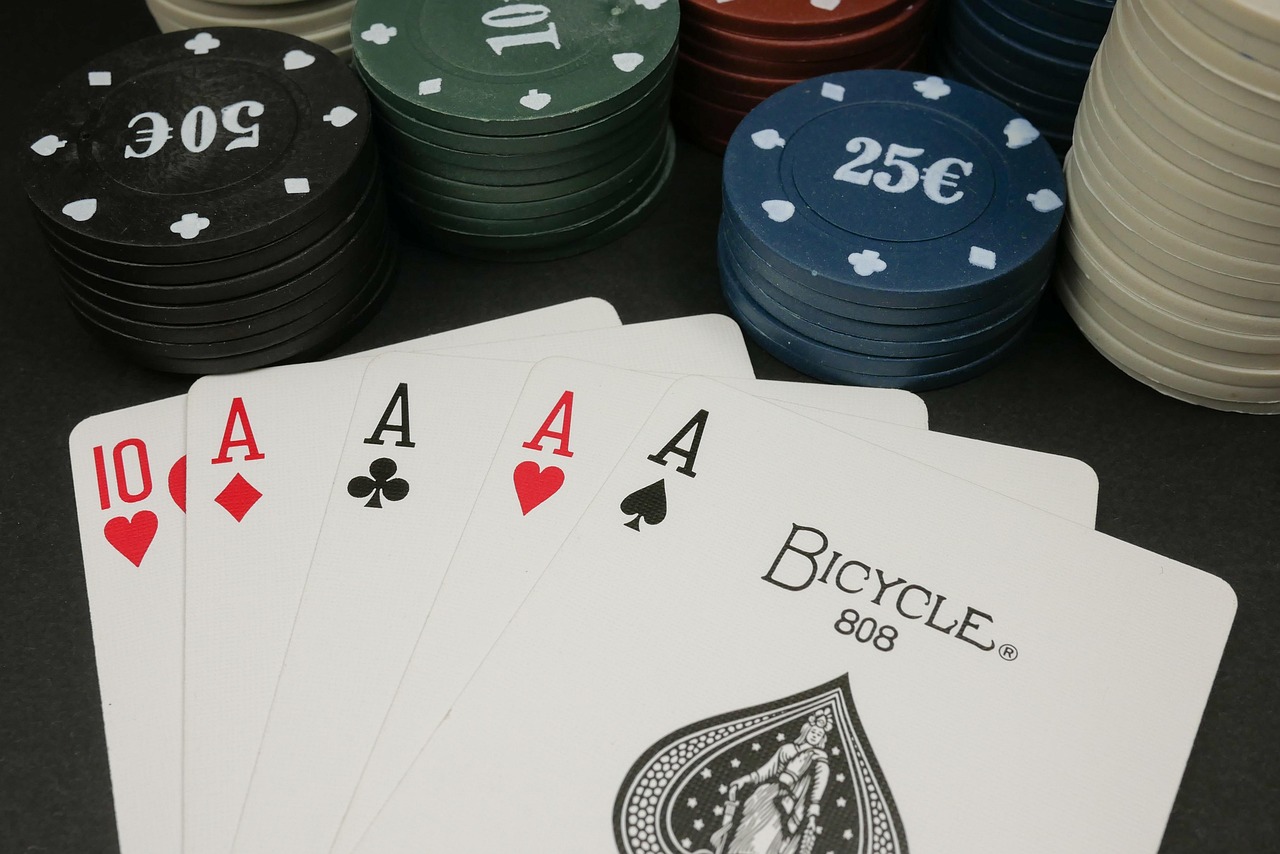


Most people walking into a casino for the first time think they're playing against the house. Ask anyone who's actually made a living from iGaming and they'll tell you something different: you're playing against your own discipline. The house edge doesn't care about your lucky shirt, your birthday numbers, or that "feeling" you get when a slot machine starts heating up. What separates the players who stick around from the ones who bust out by midnight isn't luck — it's a working understanding of volatility, bankroll management, and the specific rules of whatever game they've chosen to master.
Here's a stat that surprises almost everyone: a modern video slot machine with a 96% RTP pays back roughly $96 for every $100 wagered — over millions of spins. In a single session, that 4% edge can feel like it's on vacation somewhere else entirely. That discrepancy is called variance, and it's the single most misunderstood concept in the entire casino world.
Low-volatility slots like Starburst or classic three-reel machines pay small amounts frequently. You'll grind down slowly, hit plenty of tiny wins, and rarely see your balance spike. High-volatility slots like Book of Dead, Bonanza, or anything from Nolimit City can eat 200 spins without a whisper, then hand you a 900x multiplier out of nowhere. Neither style is "better" — but they demand completely different approaches.
A practical rule of thumb: your session bankroll for a slot should be at least 150x your spin size if you're playing high volatility. Betting $1 on a high-volatility slot with a $50 balance isn't entertainment — it's a countdown timer.
Unlike slots, blackjack, or roulette, poker is not you-versus-the-casino. It's you-versus-other humans, with the house taking a small rake out of the middle. That structural difference means a skilled player can achieve a positive expected value — something mathematically impossible on a slot machine.
The catch is that the edge is thin and takes serious study. Winning poker players obsess over a handful of fundamentals that recreational players ignore:
Online poker has gotten tougher since the mid-2000s boom, but that same toughness has birthed a massive training ecosystem. Solvers, GTO tools, and study groups mean a player willing to put in the hours can still find edges against the recreational pool on most sites.
Sports betting is where the sharpest money in the world lives, and where newcomers get humbled fastest. The house edge on a standard -110 point spread is about 4.5%. To beat that long-term, you don't need to predict winners — you need to find mispriced lines.
Imagine a tennis match where you believe the underdog should be +130, but the book has them at +160. That's value. The bet might lose, but if you make it a hundred times with the same edge, you profit. This is why professional bettors talk about "closing line value" — the idea that if you consistently beat the closing line, you'll profit regardless of short-term results. There is a useful overview at สล็อตเว็บตรง.
Some practical habits for anyone serious about betting:
A note on live betting: in-play markets look exciting, but books build in heavier margins there because they're pricing in real time. Sharp bettors mostly stick to pre-match markets, where the vig is tighter.
You can know everything about RTP, pot odds, and closing lines and still go broke if you can't manage your money. This is where most aspiring winners fail, and it's where the casino industry quietly makes its profit.
The core principles don't care what game you play:
One overlooked reality: even a world-class poker player with a solid ROI can endure a 100,000-hand downswing. Bankroll management is the airbag you hope you never need — and the moment you stop respecting it, you crash.
There's a persistent myth that all casino games are unbeatable — and in pure expectation terms, that's true for slots, roulette, and most table games. But "unbeatable" is not the same as "always loses." Variance runs hot. A disciplined slots player can be up 300% after a weekend. A tournament grinder can nail a six-figure score. The trick is understanding that this is variance, not a skill claim.
The real edge in iGaming, whether you're chasing bonus rounds, reading a poker table, or hunting soft sportsbook lines, lives in the long view. Track your hands. Track your spins. Track your bets. Look for which games or markets you actually beat, and drop the ones you don't. That's less glamorous than a jackpot, but it's the thing that quietly moves your personal ROI from negative to positive over time.
Because here's the truth most gamblers learn the hard way: the casino is not your opponent. Your attention span is. Half-tilt spins, feel-based parlay tickets, and "one more hand" at 3 a.m. are the leaks. Plug them, and the numbers start looking a lot friendlier.

The Stalls shares practical, down-to-earth guidance on uk theatre reviews and stage features for readers across the UK.


Leave A Comment